Be yourself; Everyone else is already taken.
— Oscar Wilde.
This is the first post on my new blog. I’m just getting this new blog going, so stay tuned for more. Subscribe below to get notified when I post new updates.
Be yourself; Everyone else is already taken.
— Oscar Wilde.
This is the first post on my new blog. I’m just getting this new blog going, so stay tuned for more. Subscribe below to get notified when I post new updates.
La bioética en Latinoamérica debe tener un interés común por los aspectos éticos, los valores, los principios y virtudes, que problematizan la vida y la identidad, la integridad y la libertad, la atención y el bienestar de las personas y grupos comunitarios de la región.

Esta comienza a enseñarse en algunas universidades latinoamericana, en los años 80 y en el comienzo de los 90, acuñada por Van Rensselaer Potter (1911-2001) . La bioética surgió en los Estados Unidos y Europa tras la Segunda Guerra Mundial como respuesta a los cambios en la práctica clínica, al desarrollo de la biotecnología, y a la transformación radical de la sociedad en una dirección individualista, liberal y secularizada.
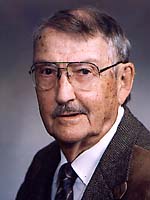
“La humanidad necesita urgentemente una nueva sabiduría que le proporcione el “conocimiento de cómo usar el conocimiento” para la supervivencia del hombre y para la mejora de su calidad de vida. ”
CONCLUSIÓN.- Es importante señalar que el avance de la tecnología y la ciencia han intervenido en el desarrollo de la bioética, pues actualmente los médicos se ven involucrados en aquellas situaciones mas complejas en tomar decisiones acertadas y éticas, respetando los derechos de los pacientes, llegando así ante situaciones en las que se tenga que decidir entre realizar acciones técnicamente posibles pero que no estén de acuerdo con las normas éticas o bien, anteponer ante toda situación los principios y valores actuando de manera correcta. Ejerciendo el compromiso de los ideales de los demás, en la actualidad la humanidad cumple con aquellos desafíos que tenga en la vida tras sobre la conducta humana, es decir cambiar los paradigmas a los que se enfrenta una persona en la sociedad.
This is an example post, originally published as part of Blogging University. Enroll in one of our ten programs, and start your blog right.
You’re going to publish a post today. Don’t worry about how your blog looks. Don’t worry if you haven’t given it a name yet, or you’re feeling overwhelmed. Just click the “New Post” button, and tell us why you’re here.
Why do this?
The post can be short or long, a personal intro to your life or a bloggy mission statement, a manifesto for the future or a simple outline of your the types of things you hope to publish.
To help you get started, here are a few questions:
You’re not locked into any of this; one of the wonderful things about blogs is how they constantly evolve as we learn, grow, and interact with one another — but it’s good to know where and why you started, and articulating your goals may just give you a few other post ideas.
Can’t think how to get started? Just write the first thing that pops into your head. Anne Lamott, author of a book on writing we love, says that you need to give yourself permission to write a “crappy first draft”. Anne makes a great point — just start writing, and worry about editing it later.
When you’re ready to publish, give your post three to five tags that describe your blog’s focus — writing, photography, fiction, parenting, food, cars, movies, sports, whatever. These tags will help others who care about your topics find you in the Reader. Make sure one of the tags is “zerotohero,” so other new bloggers can find you, too.

 deber
deber